Quality Management in the Food Industry
Quality and safety at every stage of the food chain
Ensure compliance with food safety standards, reduce rework and batch losses and maintain traceability from farm to table. Automate quality controls and always be prepared for [TODO(conteudo): US standards/regulators met] audits and FDA, and certifications such as ISO 22000 and FSSC, IFS, HALAL.
Standards and regulators: TODO(conteudo): US standards and regulators met
Hundreds of food and beverage companies rely on




Challenges in Quality Management in the Food Industry
-
Ensuring compliance
Complying with food safety standards (HACCP, GMP, FSSC 22000) -
Reduce risks of contamination and recalls
A problem in one batch can lead to a total recall, increasing costs and waste. -
Maintain complete traceability
Bodies such as [TODO(conteudo): US standards/regulators met] and ISO 22000 demand immediate traceability. -
Increasing consumer confidence
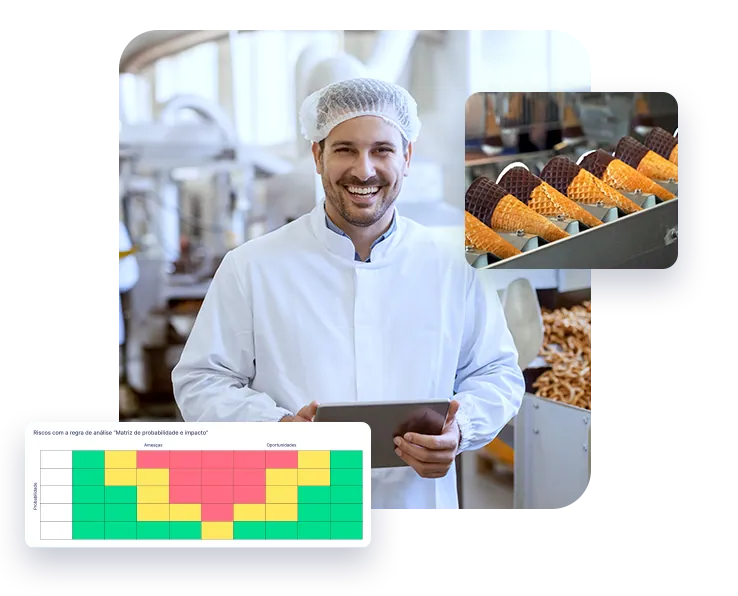
Periodically mapping and analyzing risks is essential to guaranteeing quality.
All quality processes in a single solution
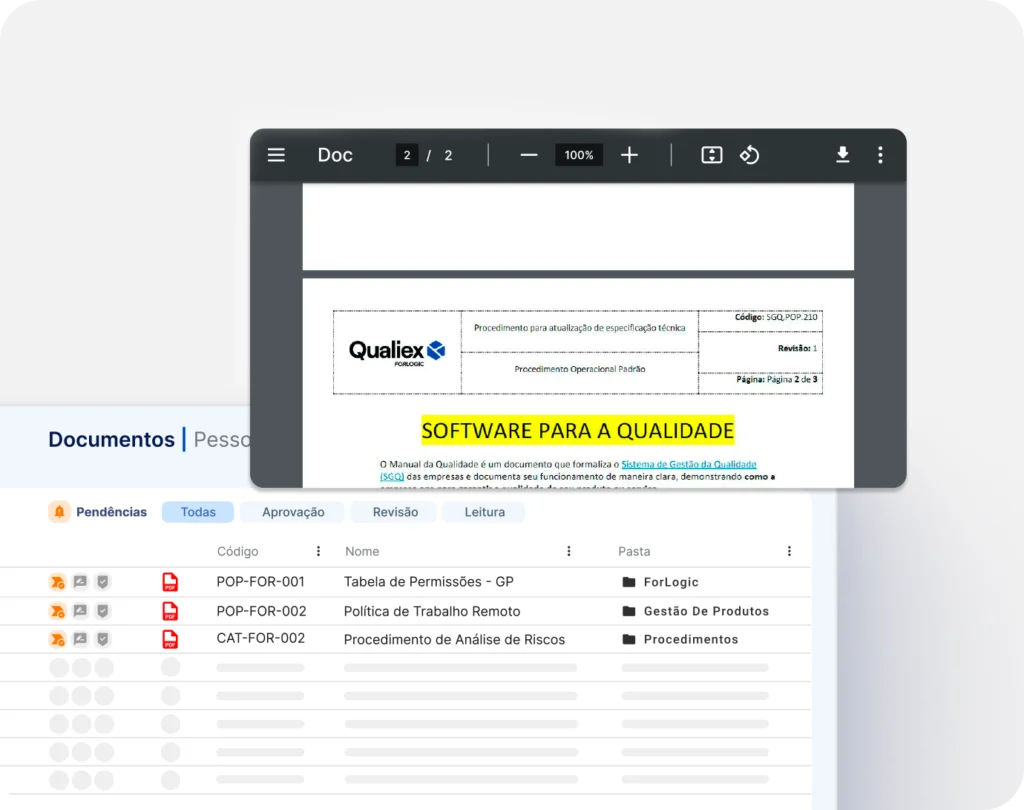
Centralization of manuals, procedures and reports
- Control critical documents such as technical data sheets, work instructions and records. Ensure automatic version control, document validity and compliance with food safety standards.
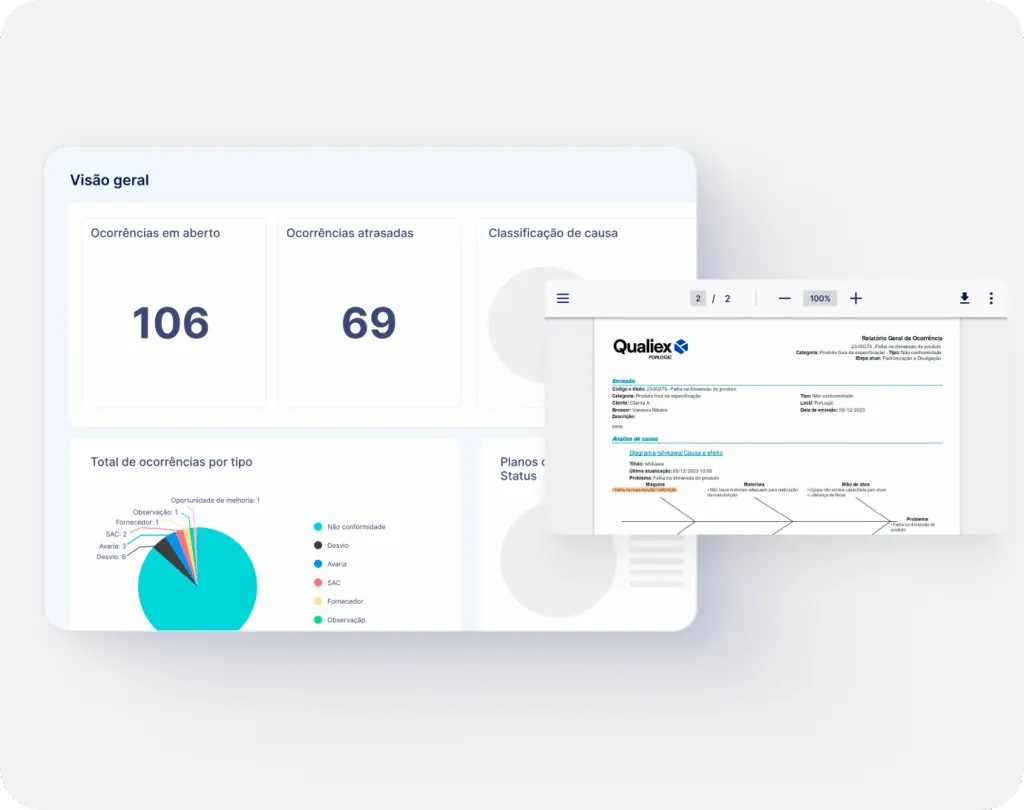
Structured handling of deviations and complaints
- Record process non-conformities, off-specification products and consumer complaints. Conduct root cause analysis, implement action plans and track recurrence to continuously improve quality.
Evaluation, approval and control of inputs
- Evaluate certifications (HACCP, FSSC 22000), monitor analysis reports and reduce the risk of cross-contamination in the production chain. Ensure good product quality by managing suppliers correctly!
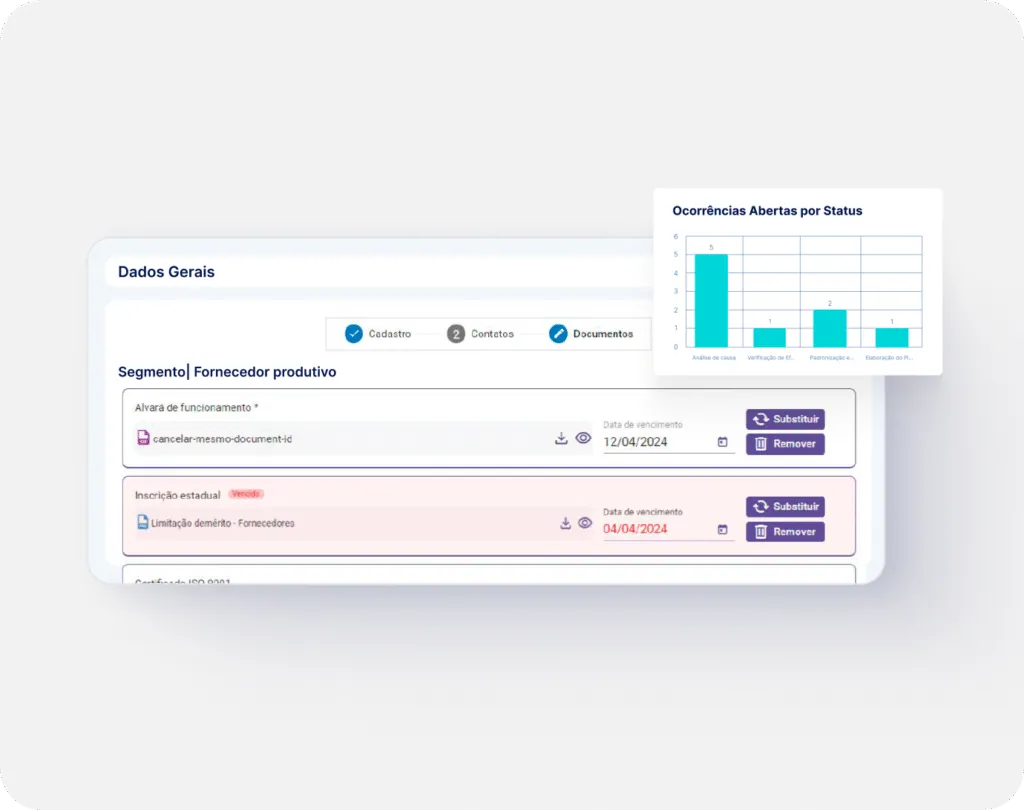
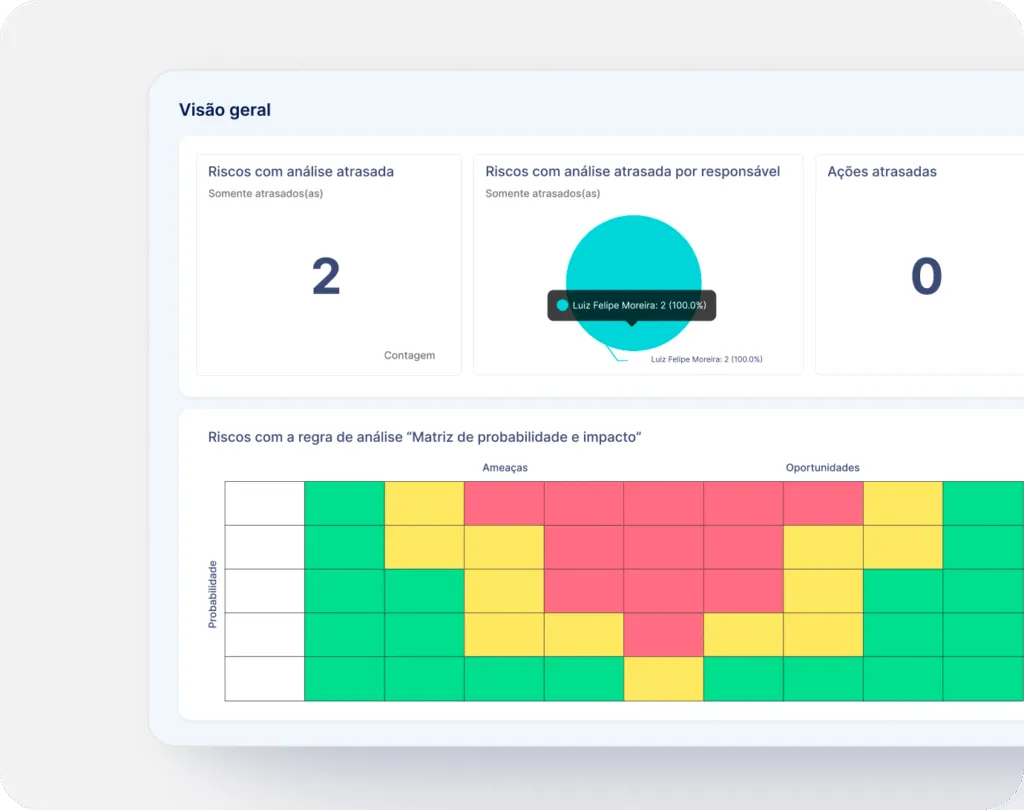
Identification and control of critical risks (HACCP)
- Map critical control points (CCPs) and risks of biological, chemical and physical contamination. Automate monitoring and implement preventive plans to guarantee the safety of the end consumer.
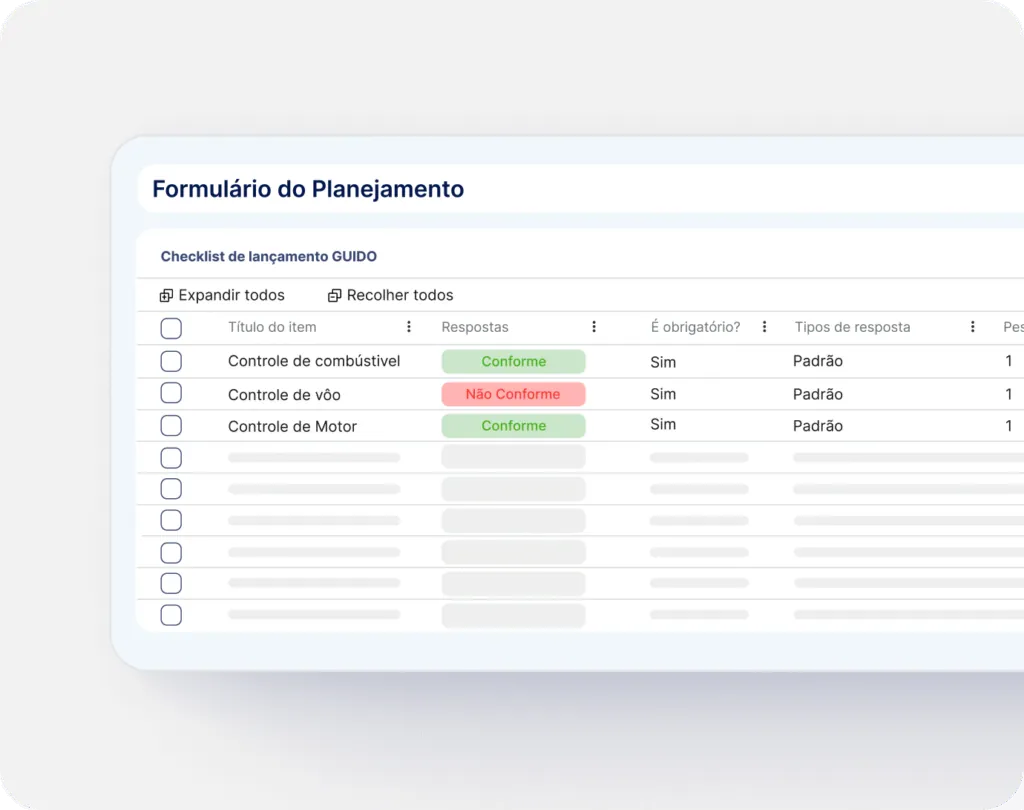
Preparation for [TODO(conteudo): US standards/regulators met], FDA and international standards
- Automate internal and external audits with digital checklists, recording of evidence and follow-up of action plans. Always be prepared for certifications such as ISO 22000, GMP and FSSC 22000.
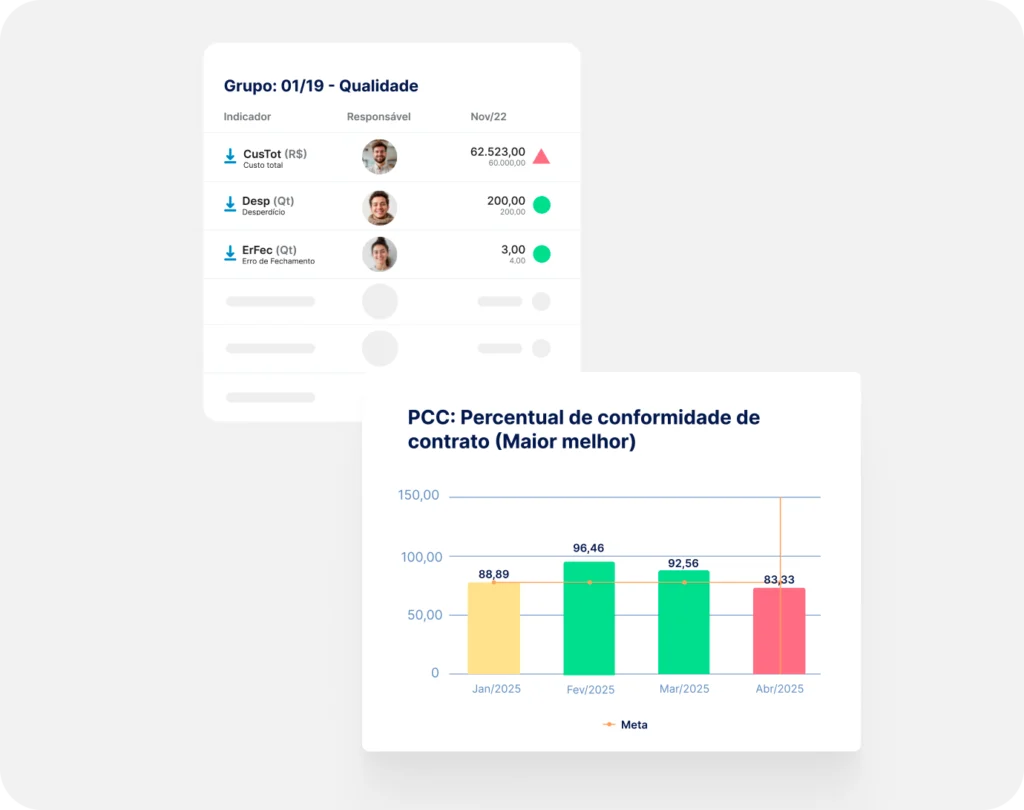
Real-time performance monitoring
- Monitor indicators such as the rate of returns, the level of contamination detected, crisis response times and audit compliance. Generate strategic reports for agile decision-making.
What Our Customers Are Saying
-
Qualiex is a system where you'll never feel left to fend for yourself, because you'll always have support from the professionals at ForLogic.
Débora da Silva Resins Quality Assistant
-
The implementation of Qualiex itself brought us a benefit by allowing us to optimize our document database and, as a result, gain control over everything.
Paulo Souza Administrator and Quality Manager at AFIP
-
The most important factor in choosing Qualiex was the system’s usability, which is excellent and provides everything we need for our management system.
César Ferreira Quality Coordinator at Prevent Senior
-
We're familiar with several tools available on the market, but we see what sets Qualiex apart, both in terms of customer service and functionality
Tatiane Silva Quality Supervisor
You can count on a certified company



See firsthand how Qualiex transforms your quality management

FAQ - Frequently Asked Questions
What is quality management in the food industry?
Quality management in the food industry consists of the set of processes, controls, and best practices used to ensure food safety, regulatory compliance, and consumer satisfaction. It involves activities such as document control, risk management, traceability, audits, monitoring of indicators, and handling of nonconformities.
How can food safety be ensured in the food industry?
Ensuring food safety requires the implementation of preventive controls, monitoring of production processes, staff training, risk management, and the adoption of programs such as Good Manufacturing Practices (GMP) and HACCP. These mechanisms help prevent contamination and reduce risks to consumer health.
What is HACCP, and why is it important?
HACCP (Hazard Analysis and Critical Control Points), known internationally as HACCP, is a preventive methodology used to identify, assess, and control hazards that could compromise food safety. Its implementation helps companies reduce risks, improve compliance, and strengthen customer trust.
What are Good Manufacturing Practices (GMP)?
Good Manufacturing Practices (GMP) are a set of procedures and requirements that ensure proper conditions for food hygiene, handling, production, storage, and transportation. GMPs form the foundation of food safety systems and contribute to compliance with standards and regulatory requirements.
Why is batch traceability important?
Traceability makes it possible to quickly identify the origin, movement, and destination of products throughout the supply chain. This facilitates investigations, corrective actions, recalls, and demonstrations of compliance during audits and inspections.
What is quality management software for the food industry?
Quality management software for the food industry is a solution that centralizes processes related to food safety, regulatory compliance, and continuous improvement. It allows you to manage documents, audits, risks, nonconformities, suppliers, metrics, and action plans in a single environment.
How does a quality management system help food companies?
A quality management system helps food companies standardize processes, comply with regulatory requirements, reduce operational errors, and improve the traceability of information. In addition, it facilitates audits, certifications, and the monitoring of food safety programs.
Does Qualiex help with compliance with requirements such as HACCP, GMP, and FSSC 22000?
Yes. Qualiex provides tools to control documents, monitor nonconformities, track audits, manage risks, and record the evidence needed to support food safety programs and certification processes.
How does Qualiex help manage nonconformities in the food industry?
Qualiex allows companies to record deviations, investigate causes, track corrective actions, and monitor the effectiveness of those actions. This helps companies reduce recurrences, strengthen food safety, and maintain compliance with regulatory and standards requirements.
How does Qualiex contribute to process traceability and compliance?
Qualiex centralizes records, documents, audits, metrics, and incidents on a single platform. This improves the traceability of information, facilitates internal and external audits, and provides greater control over processes related to food quality and safety.